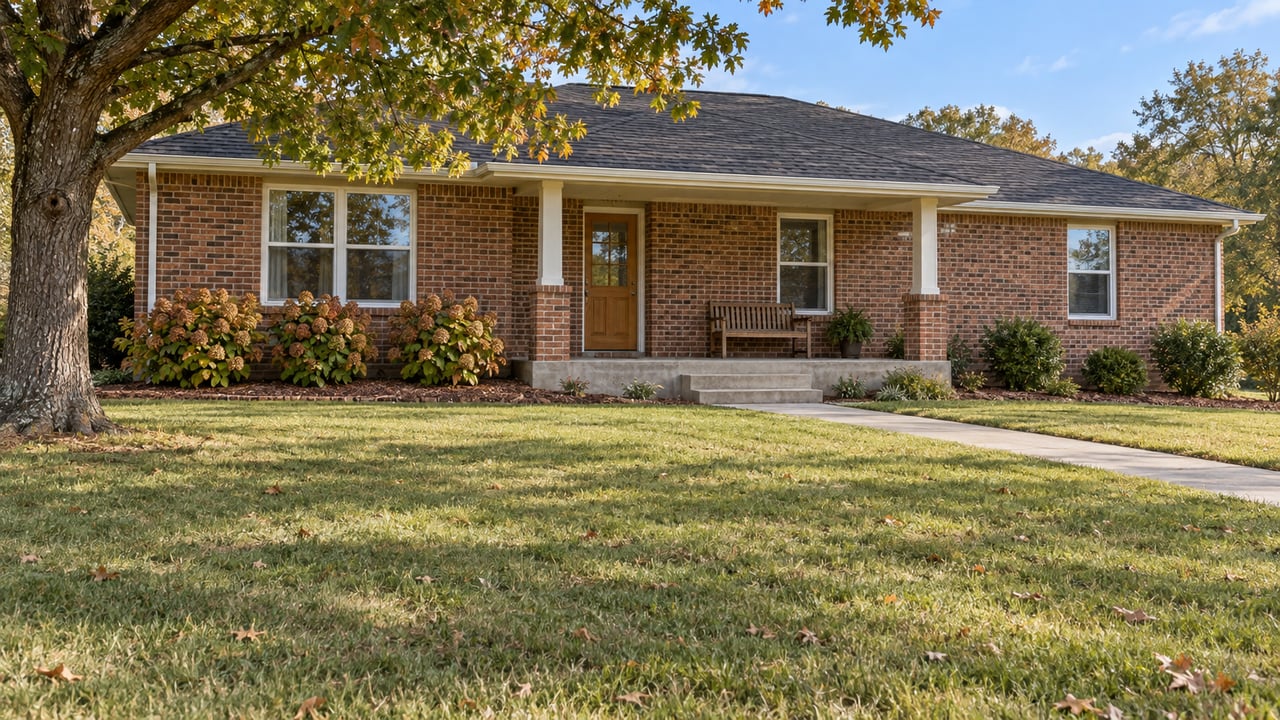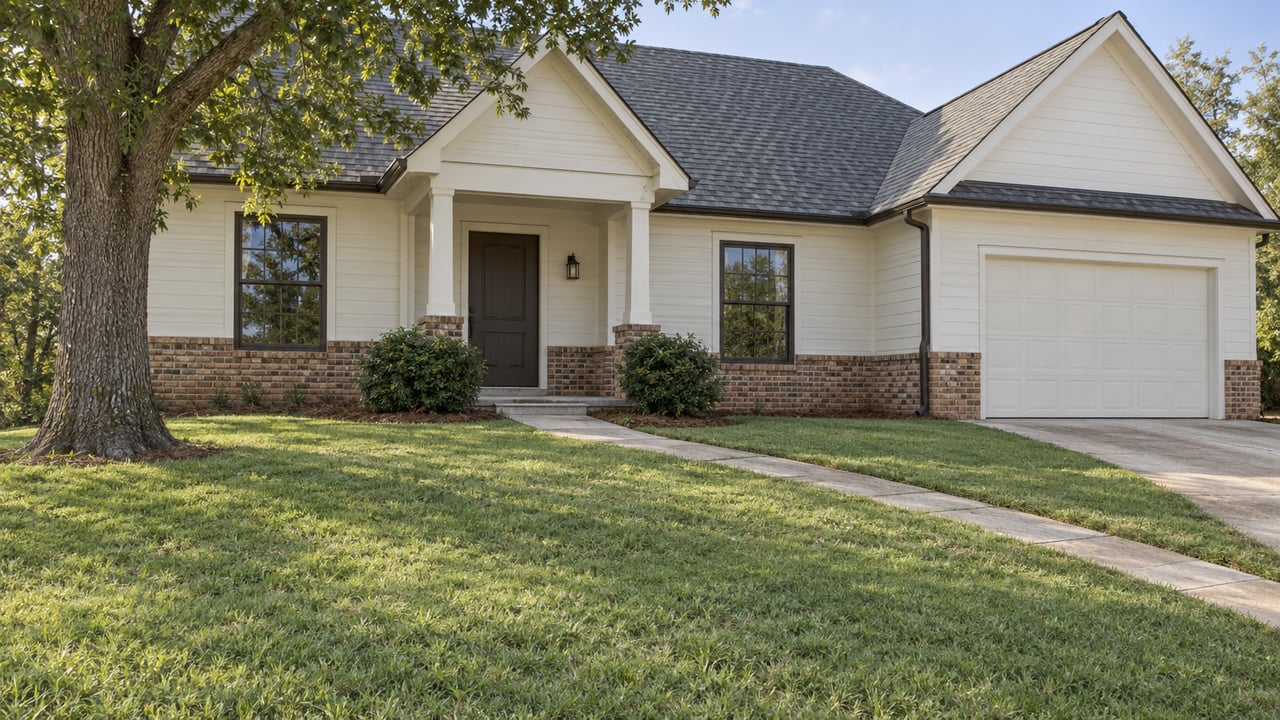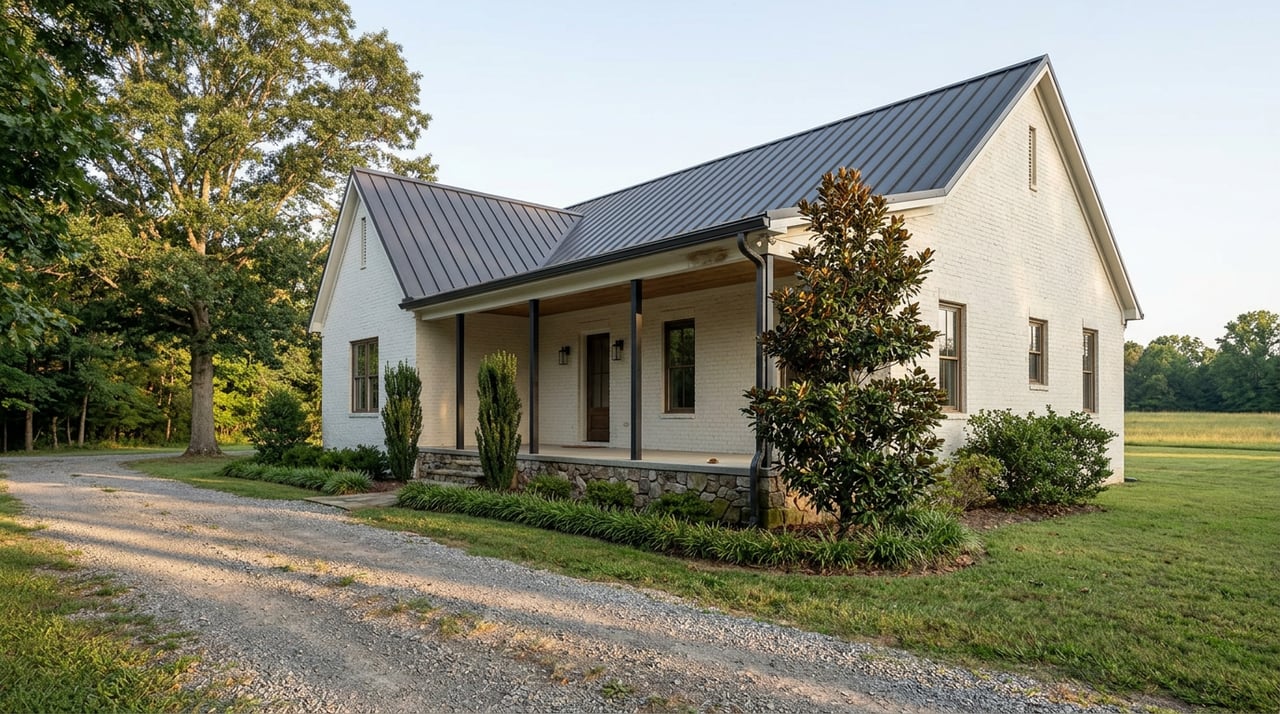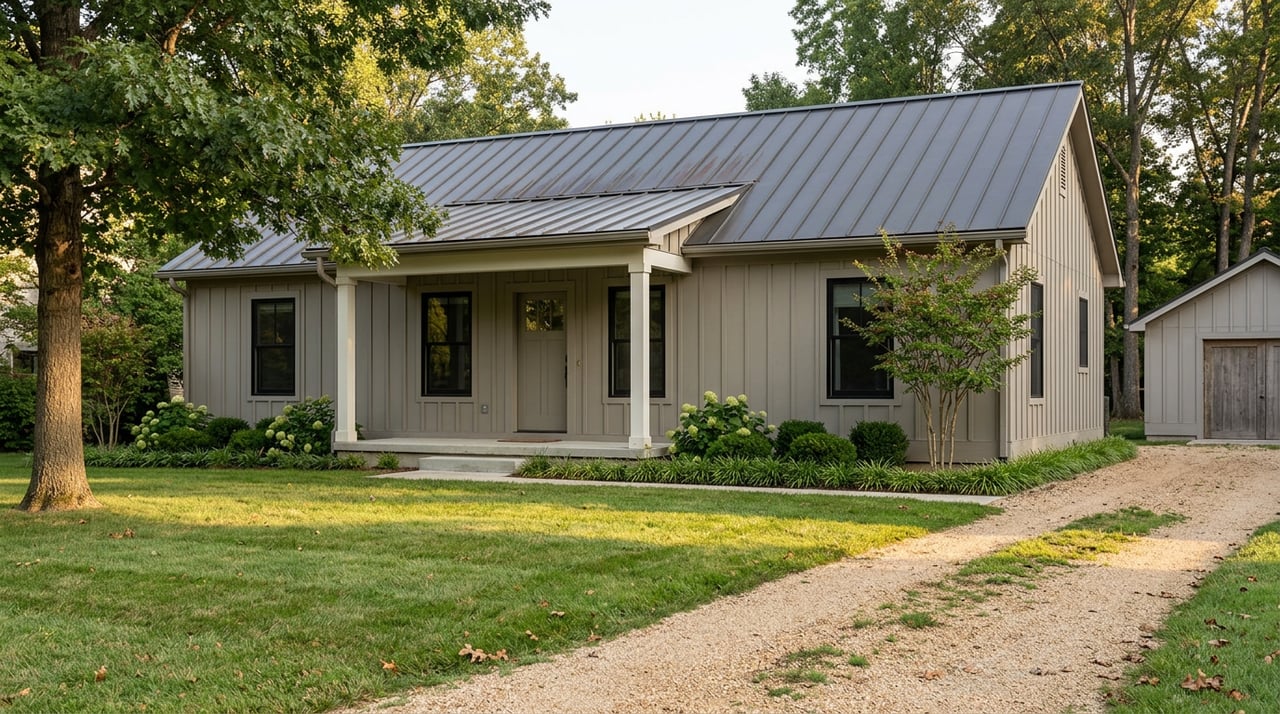
A listing says four bedrooms. The septic permit on file with the county says three.
That gap is not a paperwork technicality. Under Tennessee law, if a home was newly constructed on a septic system, the seller cannot advertise more bedrooms than the septic permit actually supports. The statute is specific: Tenn. Code Ann. § 47-18-104(b)(42) treats overstating bedroom count on a septic-served new build as a deceptive trade practice. Most sellers have never seen their own permit. Most buyers never ask for it. In a county where septic systems are the rule rather than the exception, that permit, not the tax card, not the floor plan, not the appraisal, is the document that actually sets the ceiling on what a house can be marketed as.
Why Tennessee Sizes a Septic System by Bedrooms, Not Bathrooms
Septic permits in Tennessee are built around bedroom count because bedrooms, not bathrooms, are the standard the state uses to estimate how many people will actually live in a house and how much wastewater the system needs to handle. A typical system is designed with one field line per bedroom, and the tank itself is commonly sized around 1,000 gallons depending on that bedroom count. Add a bedroom without updating the permit and the drainfield is now handling more daily use than it was ever designed for.
This is why the permit matters more than a casual walk-through can tell you. A visual look at the yard cannot confirm how many field lines are actually in the ground or whether they match the number of bedrooms the house is being sold as. The Tennessee Department of Environment and Conservation maintains a public records search where property owners and buyers can look up whether a property has a septic system on file, where it is located, and when it was last inspected. Pulling that record before writing a listing description takes a few minutes and settles a question that otherwise gets guessed at.
What a Septic-Specific Inspection Actually Covers
A standard home inspection in Tennessee looks at the visible, accessible parts of a house: structure, roof, electrical, HVAC, plumbing fixtures, grading. It is not built to evaluate a septic system in any depth, because that requires digging to the tank, pumping it, and inspecting the tank walls, baffles, and drainfield directly. That is a separate service, usually performed by a licensed septic contractor rather than the general home inspector.
| Inspection type | What it covers | Typical cost range |
|---|---|---|
| Standard home inspection | Structure, roof, HVAC, electrical, visible plumbing | $400 to $600 on a typical Middle Tennessee home |
| Septic pump-and-inspect | Tank pumped, walls and baffles checked, drainfield evaluated | $400 to $700 |
| Well water test | Bacteria, nitrates, mineral content | $150 to $300 |
Tennessee's residential purchase contracts typically build in an inspection contingency period. That window has to cover the general inspection and, for a septic property, the separate pump-and-inspect and any well testing. Sellers who wait for a buyer to request all of this after an offer is already in hand are compressing three separate appointments into a period that was only ever meant to comfortably hold one.
Disclosure or Disclaimer, and the Clock That Starts Either Way
Tennessee gives sellers a choice under the Residential Property Disclosure Act: complete a full Property Condition Disclosure Statement, or sign a Property Condition Disclaimer and sell as-is. Choosing the disclaimer route does not remove every disclosure obligation. According to DocJacket's Tennessee disclosure guide, sellers still have to disclose known sinkholes, known exterior injection wells, and the results of any percolation or soil absorption tests performed on the property and accepted by the state, because Tennessee treats these as mandatory regardless of which form is used. That last category, the perc test, is the same soil evaluation that determined how the septic system was sized and placed in the first place. A seller who has that test result and does not disclose it is not skipping a formality. They are withholding the document that explains why the drainfield is laid out the way it is.
Buyers who find an undisclosed material defect after closing have one year from the date they discovered or should have discovered it to bring a claim under Tenn. Code Ann. § 66-5-210. A failed septic system that surfaces eighteen months after move-in and traces back to a system the seller knew was undersized is exactly the kind of dispute that statute was written to resolve, and exactly the kind that a pump-and-inspect done before listing would have caught first.
Why the City's Median Price Cannot Tell You What Your House Is Worth
Here is the part that catches sellers off guard even when the septic system is fine. Lawrenceburg's headline market numbers do not agree with each other, and the disagreement comes down to how few homes actually change hands in a given month.
Redfin's city-level figures for March 2026 showed a median sale price of $237,000, up 30.5 percent from a year earlier, with homes taking 118 days to sell on average compared to 40 days the year before. That 30.5 percent jump sounds like a hot market. But it was built on 10 recorded sales that month, down from 11 the year before. Move up to the county level and the story softens considerably: Lawrence County's median sale price in December 2025 was $275,000, up a much more modest 3.8 percent year over year, on 29 sales. By July 2026, city-level listing data showed the median asking price at $283,000, down 13 percent from both the prior month and the prior year, with days on market holding steady at 85.
Three data sets, three different signals, all technically describing the same town in the same year. That is what happens when a market this size gets measured in single-digit and low-double-digit transaction counts. One home that closes with a $20,000 or $30,000 price concession, the kind of concession a failed septic system or a bedroom-permit mismatch commonly forces, is large enough on its own to swing the entire monthly median up or down. A seller who prices a listing off last month's headline appreciation number is pricing off a sample size that a single unusual sale, including their own, can distort.
This is the actual argument for getting the septic permit and the pump-and-inspect done early rather than waiting on an offer. In a market where the aggregate number is this noisy, the condition of the specific system on the specific parcel is doing far more work in setting real value than the city's reported trend line is.
Getting Ready to List a Septic Property in Lawrenceburg
- Request the septic permit from the county or search the state's public records to confirm the permitted bedroom count matches what the listing will say.
- Schedule the pump-and-inspect before listing, not after an offer, so the tank, baffles, and drainfield are evaluated while there is still time to address findings.
- If the property has a well, test for bacteria and nitrates separately from the septic inspection.
- Decide between the full Property Condition Disclosure and the Disclaimer with a clear understanding of the disclosure requirements that apply.
- Keep the perc test results and any prior pump records on hand. They are the documentation that supports the bedroom count on the permit.
A Few Direct Questions
Does every home in Lawrenceburg have a septic system? No. Homes closer to the city center are often on municipal sewer. Septic is more common on acreage and in the surrounding unincorporated parts of Lawrence County, which is a significant share of the area's housing stock.
If my septic system was installed decades ago, does the bedroom-count rule still apply? The advertising restriction under state law applies specifically to newly constructed homes on septic. Older systems are still governed by the general disclosure requirements around known material defects and any percolation test results on file.
What should a buyer check if the septic system fails an inspection? Review the purchase agreement for the terms that apply.
A septic permit, a perc test, and a market median are three different documents that all claim to describe the same house. Only one of them is legally binding on what you can call it. If you are getting a Lawrenceburg property ready to list, or trying to make sense of what a septic-served home is actually worth before you make an offer, Heidi Osterheld has spent years walking Lawrence County sellers and buyers through exactly this kind of paperwork. Let's Connect before you write the listing description, not after.
This article is general information, not legal, tax or financial advice. Consult a qualified professional about your situation.