Are you thinking about buying an investment property in Mount Pleasant, TN? If so, the opportunity is real, but the strategy matters. In a smaller market like Mount Pleasant, the best deals often come from choosing the right property type, understanding local zoning, and keeping your numbers grounded in local rent levels. Let’s look at what makes the most sense here and how you can evaluate your options with confidence.
Why Mount Pleasant Stands Out
Mount Pleasant is a small but growing city in Maury County. The U.S. Census Bureau estimated the city’s population at 5,103 in July 2025, which was up 6.7% from 2020. For you as an investor, that size usually points to smaller-scale opportunities instead of large apartment projects.
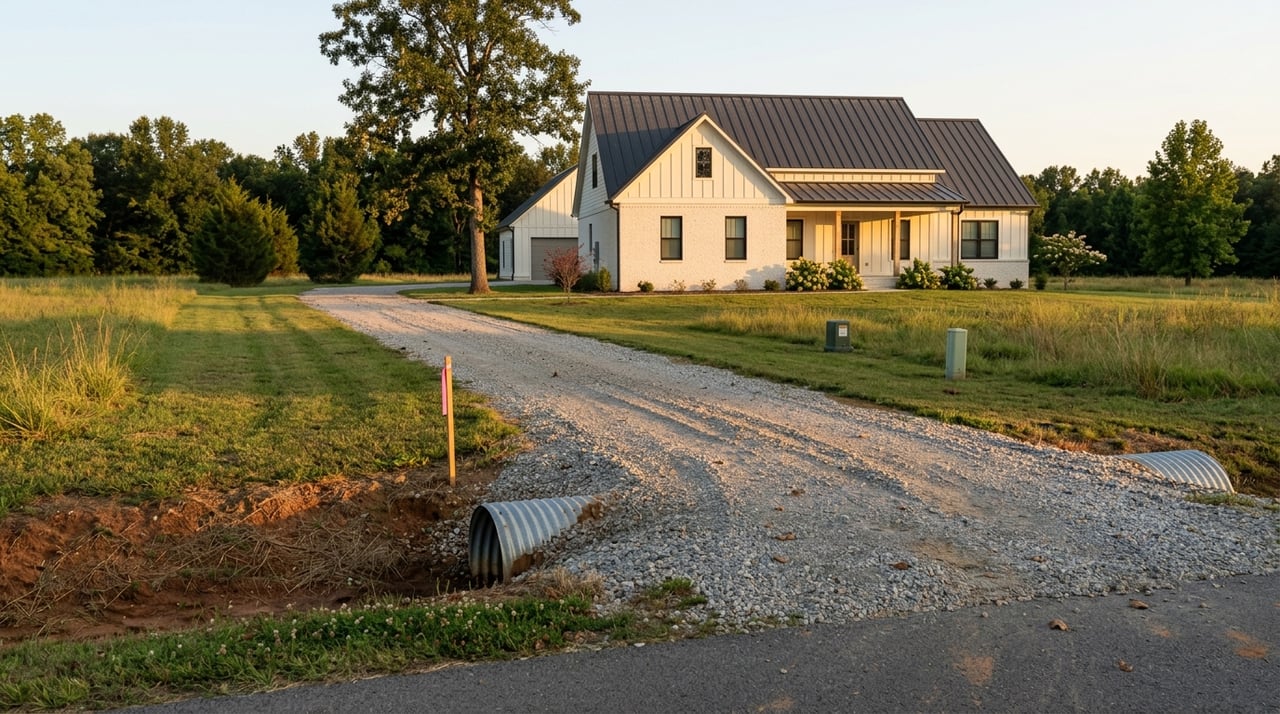
This is a market where detached homes, two-family properties where allowed, townhomes, and adaptive-reuse downtown buildings are often more realistic fits. The city covers about 12.6 square miles, so parcel-level details can make a big difference in what is possible. In other words, your success here may depend less on broad market trends and more on matching the right property to the right location.
Local Numbers Matter
One of Mount Pleasant’s biggest draws is relative affordability. In the 2020 through 2024 American Community Survey, the median owner-occupied home value in Mount Pleasant was $244,400, compared with $355,700 in Maury County. That lower price point may create a more accessible entry for buyers exploring investment property options.
At the same time, you need to stay realistic about rental income. Mount Pleasant’s median gross rent was $839, while Maury County’s median gross rent was $1,300. That gap matters because a property that looks affordable on the purchase side can still underperform if your renovation budget or loan payment assumes countywide rents instead of what local tenants can actually support.
Mount Pleasant also has a lower median household income than the county overall, at $50,108 compared with $76,130 in Maury County. That does not mean the market lacks opportunity. It means your underwriting should be based on Mount Pleasant’s local affordability, not on nearby markets that may operate very differently.
Best Property Types to Consider
Mount Pleasant’s housing stock still leans heavily toward single-unit homes. Census Reporter’s 2024 ACS snapshot shows about 2,491 housing units, 2,316 households, about 62% owner occupancy, and roughly 75% of structures as single-unit. For many buyers, that makes small residential investments the most natural starting point.
Single-Family Rentals
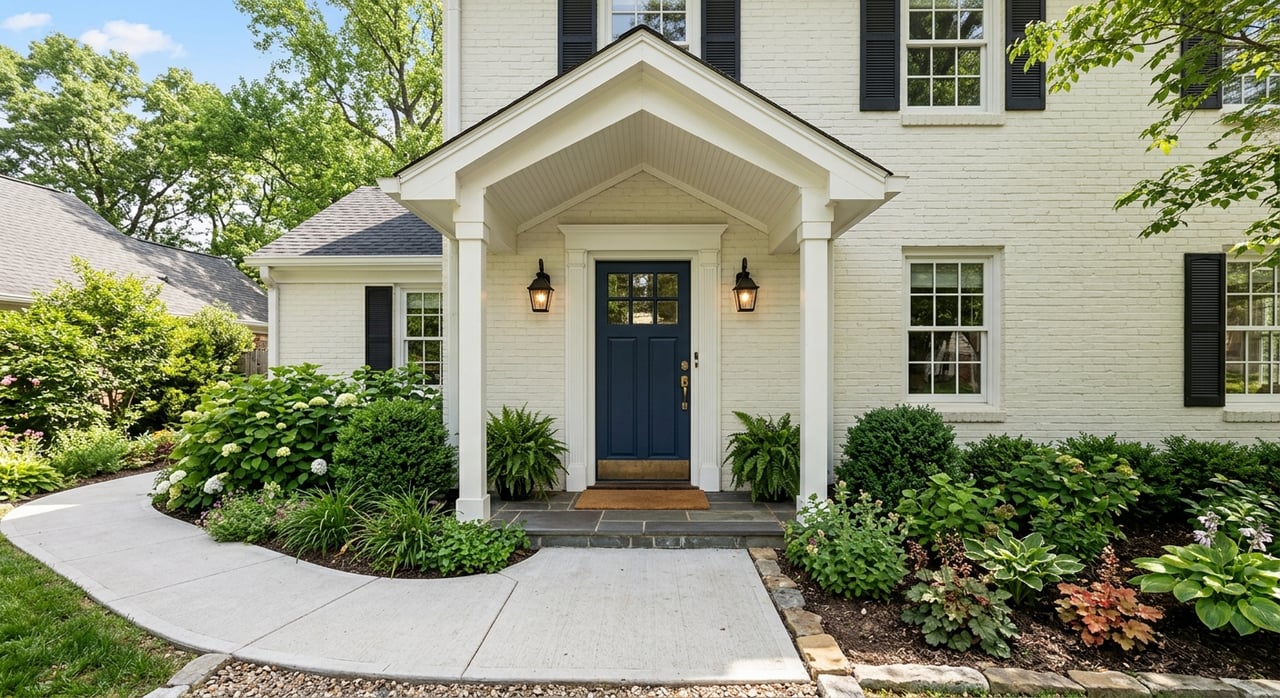
Single-family rentals may be the most straightforward option in this market. They align with the city’s existing housing mix and often give you a simpler path for purchase, renovation, and long-term management.
If you want a property type that fits the local housing pattern, this is a practical place to begin. In many cases, a detached home can offer more predictable demand than a more specialized asset. That can be especially appealing if you are buying your first investment property.
Two-Family and House-Hack Opportunities
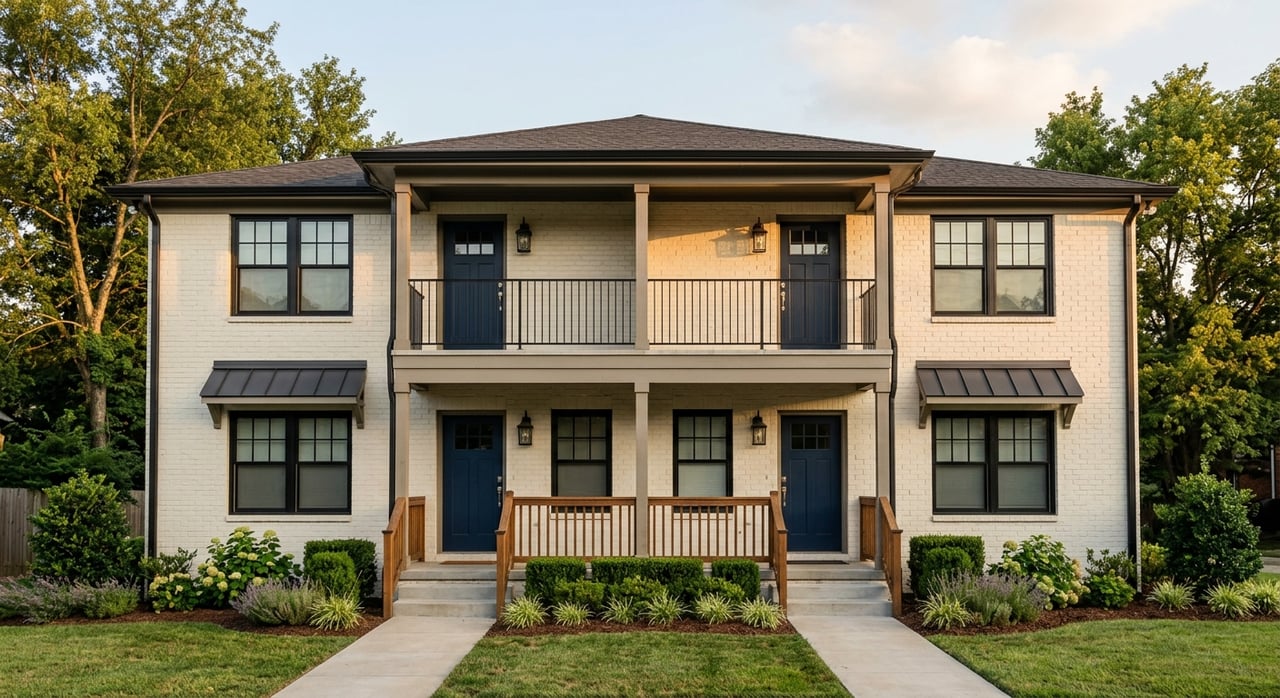
If you want income from more than one unit, small two-family properties may be worth exploring where zoning allows them. Under the published zoning ordinance, R-2 allows single-family and two-family residences, while R-3 also allows single- and two-family dwellings.
That can create opportunities for buyers who want to live in one side and rent the other, or simply add a small multi-unit property to their portfolio. Still, zoning is everything here. Before you move forward, you will want to verify the district, current ordinance status, and any applicable permit requirements.
Townhomes and Small Multifamily in R-3
If you are looking for slightly higher density, R-3 is the city’s high-density district. It expressly allows single-family homes, two-family dwellings, townhouses, and multi-family dwellings.
This matters because it gives you a clearer path for certain small-scale projects that may not fit in lower-density districts. Recent city notices also show local activity in this area, including a preliminary plat posted in July 2026 for four townhomes at 222 Appletree Lane in an R-3 district. That is a useful sign that infill townhouse development is active in Mount Pleasant.
Downtown Mixed-Use Buildings
For buyers interested in both residential and commercial income, downtown mixed-use may be the most distinctive option. The CDT district is intended to support investment in Mount Pleasant’s historic core and permits retail, office, restaurants without drive-thru service, hotel uses, and upper-story residential dwellings.
This can be appealing if you are considering an older storefront with apartments above or a building that could support more than one income stream. The city ordinance also notes that Mount Pleasant’s historic downtown is experiencing renewed investment and redevelopment. That does not guarantee a return, but it does suggest that downtown is an area worth watching closely.
Why Zoning Should Guide Your Search
In Mount Pleasant, zoning is not a small detail. It is one of the first things you should review before you get too attached to any property.
The published ordinance allows accessory dwelling units in R-1, and in R-2 they may be allowed as a conditional use. R-3 expands your options further by allowing townhouses and multi-family dwellings. Downtown properties in the CDT district come with a different set of rules, including design review and a 35-foot height cap.
There is another reason to be careful. The city posted a public notice on June 30, 2026 for a July 21, 2026 commission meeting that included a final-reading ordinance to repeal and replace the zoning chapter. That means you should verify the current ordinance version before closing on any investment property.
Carry Costs Can Change the Deal
A property can look promising on the surface and still become a weak investment once carrying costs are added in. In Mount Pleasant, property taxes are one of the first numbers you should include in your projections.
According to the Tennessee Comptroller’s 2025 effective tax-rate table, Maury County is listed at 1.9100 and Mount Pleasant at 3.6000. Actual tax bills depend on classification, assessment, and exemptions, but the main takeaway is simple: both county and city taxes affect your holding costs. If you skip that step early, your projected cash flow may be far too optimistic.
Older Properties Need a Realistic Rehab Plan
Some of the most interesting opportunities in Mount Pleasant may be older homes and downtown buildings. These properties can offer character, location, and value-add potential, but they may also come with more compliance and capital-expense needs than a newer asset.
The city says it has adopted the 2024 International Building Codes with amendments. Its construction resources list building permits, zoning permits, demolition permits, land-disturbance permits, and related forms. If your strategy depends on renovation, conversion, or adaptive reuse, those costs and timelines should be part of your plan from day one.
For downtown or older-core properties, design review may also apply. The city’s Building and Planning Department resources point buyers to the downtown historic overlay, certificate of appropriateness, and related design materials. That does not mean you should avoid these properties, but it does mean you should budget carefully and ask the right questions early.
Due Diligence Steps Before You Buy
A careful review process can save you time, money, and frustration. In Mount Pleasant, that means doing more than just reviewing price and rent estimates.
Here are a few practical items to check before you move forward:
- Confirm the property’s current zoning district
- Verify whether the zoning ordinance has changed since prior listings or marketing materials were created
- Ask whether overlays or design-review standards apply
- Review what permits may be required for your planned improvements
- Factor in both city and county property taxes
- Build rent projections around Mount Pleasant’s local price points, not county averages
- Ask about occupancy timing if your plan involves a nonresidential, multifamily, or mixed-use structure
The city’s land-development page invites developers and investors to schedule pre-application meetings. It also provides resources for zoning verification, rezoning, subdivision, and plat review. If you are considering a property with a more complex use case, that kind of early confirmation can be very helpful.
Watch the Occupancy Timeline
If your goal is to close quickly and start collecting rent right away, make sure you understand the use-and-occupancy rules. Under the zoning ordinance, a use-and-occupancy permit is required before most new or reoccupied structures can be occupied, except for one- and two-family dwellings and their accessory structures.
That may not affect every purchase, but it can affect your timeline for multifamily or mixed-use properties. If your financing or renovation plan depends on fast occupancy, this is one more reason to verify the path before closing.
What Strategy Fits Best in Mount Pleasant?
For most buyers, Mount Pleasant appears best suited to small, location-sensitive investments. Detached rentals, small two-family properties where zoning allows them, townhouse opportunities in appropriate districts, and downtown buildings with residential space above commercial uses all stand out as realistic options.
The common thread is that the best opportunities here are highly parcel-specific. A property’s zoning, overlay status, permit path, and tax burden can make a major difference in whether the numbers work. In a market like this, careful research is not just helpful. It is part of the investment strategy.
If you are weighing options in Mount Pleasant and want honest, practical guidance on what may fit your goals, Heidi Osterheld can help you evaluate opportunities with a clear eye on property type, local market realities, and next steps.
FAQs
What investment property types fit Mount Pleasant TN best?
- In Mount Pleasant, the most natural fits appear to be detached single-family rentals, small two-family properties where zoning allows them, townhomes or small multifamily in R-3 areas, and some downtown mixed-use buildings with upper-story residential space.
What is the median rent in Mount Pleasant TN for investment planning?
- The 2020 through 2024 ACS lists Mount Pleasant’s median gross rent at $839, so your projections should stay grounded in local rent levels rather than higher countywide averages.
Why is zoning important for Mount Pleasant TN investment property?
- Zoning affects what you can legally do with a property, including whether it can be used for single-family, two-family, townhouse, multifamily, or mixed-use purposes, so it should be verified before closing.
Are downtown Mount Pleasant TN properties good for mixed-use investment?
- Downtown properties may be worth a look because the CDT district permits several commercial uses along with upper-story residential dwellings, but design review and other local requirements should be reviewed carefully.
What taxes should you consider for Mount Pleasant TN investment property?
- You should factor in both Maury County and Mount Pleasant city taxes, since both affect your carrying costs and can change the strength of a deal.
Do you need permits before renting out property in Mount Pleasant TN?
- Depending on the property and your plans, you may need permits for building, zoning, demolition, or land disturbance, and some properties also require a use-and-occupancy permit before they can be occupied.